




In the world of advanced engineering polymers, PPSU plastic materials have gained significant attention for their exceptional heat resistance, mechanical strength, and hydrolytic stability. Also known as polyphenylsulfone material, PPSU is widely used in medical, aerospace, automotive, plumbing, and food-contact applications where durability and safety are critical.
This article provides a comprehensive overview of material PPSU, including its properties, advantages, processing methods, and industrial applications.
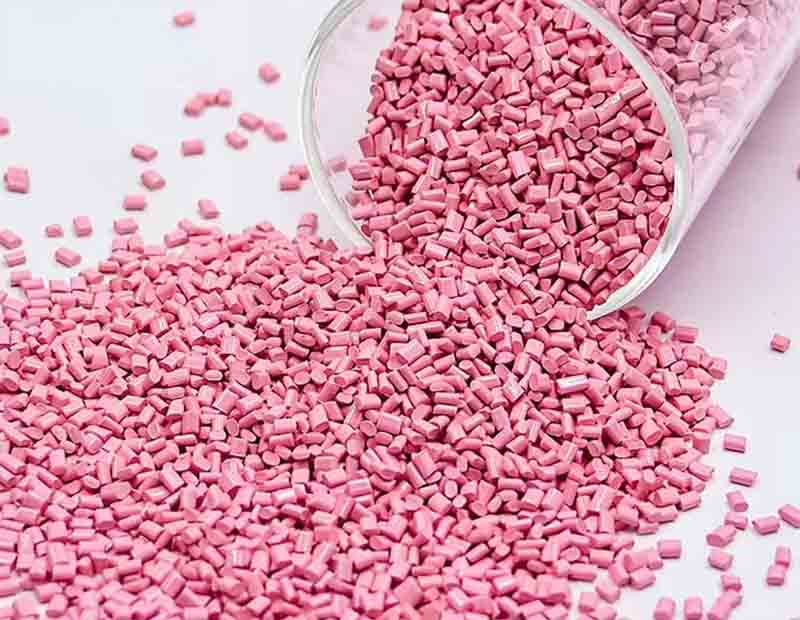
What is Polyphenylsulfone PPSU?
Polyphenylsulfone PPSU is a high-performance amorphous thermoplastic belonging to the Polysulfone family. Compared with PSU and PES, material polyphenylsulfone offers superior impact resistance and hydrolysis resistance, making it ideal for repeated sterilization environments.
As a premium PPSU plastic material, it combines toughness, transparency (in natural grades), and long-term thermal stability, even under harsh operating conditions.
Key Properties of PPSU Plastic Materials
1. Excellent Heat Resistance
One of the defining characteristics of polyphenylsulfone material is its high glass transition temperature (Tg around 220°C). PPSU can withstand continuous operating temperatures up to 180–200°C, making it suitable for demanding thermal applications.
2. Superior Hydrolytic Stability
Unlike many engineering plastics, PPSU plastic materials maintain mechanical integrity after thousands of steam sterilization cycles. This makes them highly suitable for medical and food-grade environments.
3. Outstanding Impact Strength
Material PPSU offers significantly higher impact resistance compared to PSU and PES. Even at low temperatures, it retains toughness and resists cracking.
4. Chemical Resistance
Material polyphenylsulfone resists acids, alkalis, detergents, and disinfectants. This durability allows it to perform well in aggressive chemical environments.
5. Flame Retardancy
PPSU is inherently flame retardant and meets stringent fire safety standards without requiring additional flame-retardant additives.
Advantages of PPSU Plastic Material
Choosing PPSU plastic material offers several industrial advantages:
Long service life under high heat
Excellent resistance to stress cracking
High dimensional stability
FDA and medical compliance (in specific grades)
Transparency or translucent appearance
Low creep under load
Because of these benefits, polyphenylsulfone PPSU is often selected when reliability and long-term performance are essential.
Applications of Polyphenylsulfone Material
1. Medical Industry
Due to its sterilization resistance, PPSU plastic materials are widely used in:
Surgical instrument trays
Medical device components
Sterilization cases
Dental equipment parts
The ability of material PPSU to endure repeated autoclave cycles makes it superior to many other plastics in healthcare environments.
2. Food and Beverage Equipment
Polyphenylsulfone material is commonly used in:
Coffee machine components
Baby bottle production
Hot water systems
Food-processing equipment
Its high temperature resistance and safety certifications make PPSU plastic material suitable for direct food contact applications.
3. Aerospace and Automotive
Lightweight and strong, polyphenylsulfone PPSU replaces metal in various structural and interior components. Applications include:
Aircraft interior panels
Electrical connectors
Automotive cooling system parts
The combination of flame resistance and mechanical strength makes material polyphenylsulfone ideal for transportation industries.
4. Plumbing and Water Systems
PPSU is frequently used in:
Hot water pipe fittings
Manifold systems
Pressure valves
PPSU plastic materials perform reliably under long-term exposure to high-temperature water and pressure.
Processing Methods for Material PPSU
PPSU plastic material is typically processed using:
Injection molding
Extrusion
Thermoforming
CNC machining (for rods and sheets)
Proper temperature control during processing is essential due to the high melting and processing temperatures required for polyphenylsulfone PPSU.
PPSU vs Other High-Performance Plastics
Compared to PSU and PES, material polyphenylsulfone provides:
Better impact strength
Improved chemical resistance
Enhanced long-term hydrolysis stability
While PPSU may have a higher cost compared to standard engineering plastics like nylon or polycarbonate, its durability and performance justify the investment in critical applications.
Why Choose PPSU Plastic Materials?
When selecting materials for high-temperature, high-impact, or sterilization-intensive environments, PPSU plastic materials offer a balanced combination of:
Strength
Heat resistance
Chemical durability
Regulatory compliance
Long-term reliability
Whether in healthcare, aerospace, plumbing, or food processing, polyphenylsulfone material continues to expand its role as a premium engineering thermoplastic.
PPSU plastic material, also known as polyphenylsulfone PPSU, is one of the most reliable high-performance thermoplastics available today. With its outstanding heat resistance, superior impact strength, and exceptional hydrolytic stability, material PPSU is widely trusted across critical industries.
As industrial requirements continue to demand stronger, lighter, and more durable materials, material polyphenylsulfone remains a top choice for manufacturers seeking long-term performance and safety.
