




In modern engineering and manufacturing industries, high-performance plastics play an increasingly important role in replacing metals and traditional polymers. Among them, PEI plastic material has gained widespread recognition due to its exceptional thermal stability, strength, and electrical performance.
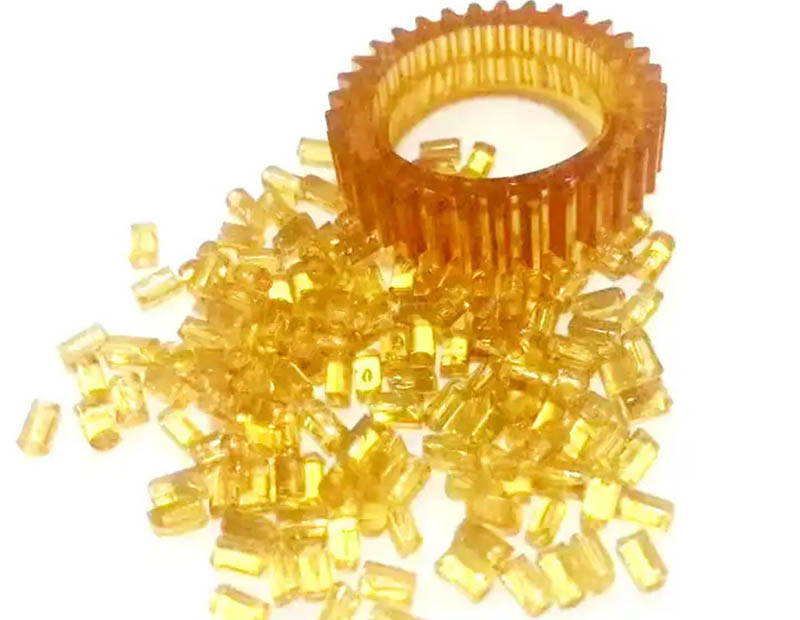
PEI material, also known as polyetherimide, is a High-performance thermoplastic widely used in aerospace, electronics, medical devices, and automotive industries. With outstanding mechanical properties and high heat resistance, PEI plastic offers engineers and manufacturers a reliable material for demanding environments.
What Is PEI Plastic Material?
PEI plastic material refers to polyetherimide, an amorphous thermoplastic polymer belonging to the family of high-performance engineering plastics. PEI polyetherimide was originally developed for applications that require excellent mechanical strength, dimensional stability, and flame resistance.
Polyetherimide Resin is typically processed into different forms, including:
PEI plastic sheet
Polyetherimide sheet
PEI filament for 3D printing
Injection-molded components
Extruded parts and profiles
Due to its high glass transition temperature (around 217°C), Polyetherimide Plastic can maintain structural integrity even under continuous high-temperature conditions.
Compared with common plastics such as ABS or nylon, PEI resin provides significantly improved performance in extreme environments.
Key PEI Plastic Properties
One of the main reasons why PEI plastic is widely used in engineering applications is its excellent material characteristics. The PEI plastic properties combine mechanical strength, thermal stability, and chemical resistance.
1. High Heat Resistance
Polyetherimide can withstand continuous operating temperatures of up to around 170–200°C, making it suitable for high-temperature environments. This property allows PEI plastic material to replace metals in some heat-intensive applications.
2. Excellent Mechanical Strength
PEI material offers high tensile strength, stiffness, and dimensional stability. Even under mechanical stress or high temperatures, polyetherimide plastic maintains structural integrity.
3. Flame Retardancy
Another notable PEI plastic property is its inherent flame resistance. PEI polyetherimide meets many international flame-retardant standards without requiring additional additives.
4. Electrical Insulation
Polyetherimide resin provides excellent dielectric strength and insulation properties. As a result, PEI plastic is commonly used in electronic components and high-temperature electrical connectors.
5. Chemical Resistance
PEI plastic material resists many oils, solvents, and chemicals, ensuring long-term reliability in industrial environments.
6. Dimensional Stability
Due to its amorphous molecular structure, PEI resin exhibits minimal shrinkage and high dimensional accuracy, making it ideal for precision components.
Forms of Polyetherimide Materials
Polyetherimide plastic is available in several commercial forms to suit different manufacturing processes.
PEI Plastic Sheet
PEI plastic sheet is widely used in machining applications. Manufacturers often cut or machine polyetherimide sheet into precision components such as:
Aerospace interior components
Electrical insulation parts
Medical equipment components
Semiconductor processing tools
The durability and thermal resistance of PEI plastic sheet make it ideal for parts exposed to high temperatures and mechanical loads.
Polyetherimide Resin
Polyetherimide resin is the raw material used in injection molding and extrusion processes. Manufacturers use PEI resin to produce high-precision parts for automotive and electronics industries.
PEI Filament for 3D Printing
With the rapid growth of additive manufacturing, PEI filament has become increasingly popular. Engineers and designers use PEI filament in high-performance 3D printing applications where conventional materials like PLA or ABS cannot meet temperature or strength requirements.
Because polyetherimide maintains its properties at high temperatures, it is often used for functional prototyPES and end-use parts.
Industrial Applications of PEI Plastic
Thanks to its outstanding PEI plastic properties, polyetherimide plastic is used across many industries.
Aerospace Industry
The aerospace industry requires materials that combine lightweight performance with high strength and heat resistance. PEI plastic material is used for:
Aircraft interior panels
Structural brackets
Electrical housings
High-temperature connectors
The flame-retardant properties of PEI polyetherimide also meet strict aviation safety standards.
Automotive Manufacturing
In the automotive sector, PEI plastic helps improve fuel efficiency by replacing heavier metal parts. Typical applications include:
Engine components
Electrical connectors
Lighting systems
Sensor housings
The durability of polyetherimide resin ensures reliable performance under high temperatures and mechanical stress.
Electronics and Electrical Industry
Because of its excellent insulation properties, polyetherimide plastic is commonly used in electronic devices. Examples include:
Circuit board insulation parts
Semiconductor processing components
High-temperature connectors
Electrical housings
PEI material helps maintain electrical performance even in harsh operating environments.
Medical Equipment
Medical equipment manufacturers also benefit from PEI plastic material because it offers high strength and can withstand sterilization processes. Many surgical instruments and medical device components are made from polyetherimide sheet or molded PEI plastic parts.
Advantages of Using PEI Plastic
Manufacturers increasingly choose PEI plastic material because it offers multiple advantages over conventional materials.
1. Metal Replacement Capability
In many applications, polyetherimide plastic can replace aluminum or steel while reducing weight.
2. Long Service Life
The durability of PEI resin allows parts to operate reliably in demanding environments for extended periods.
3. Design Flexibility
Because polyetherimide resin can be injection molded, extruded, or 3D printed using PEI filament, it offers flexibility in product design and manufacturing.
4. Reduced Maintenance Costs
High wear resistance and chemical stability reduce the need for frequent replacements.
Future Trends of Polyetherimide Materials
With continuous technological advancements, the demand for PEI plastic and polyetherimide resin continues to grow. Industries such as aerospace, electric vehicles, electronics, and additive manufacturing increasingly rely on PEI polyetherimide for high-performance applications.
Additionally, new formulations of PEI filament and reinforced polyetherimide sheet materials are being developed to improve strength, heat resistance, and sustainability.
As engineering requirements become more demanding, PEI plastic material will remain one of the most important high-performance polymers in advanced manufacturing.
PEI plastic material, also known as polyetherimide, is a high-performance thermoplastic widely used across multiple industries due to its exceptional heat resistance, mechanical strength, and electrical insulation properties.
From polyetherimide sheet and PEI plastic sheet used in precision machining to PEI filament for advanced 3D printing applications, PEI resin offers remarkable versatility in modern manufacturing.
With excellent PEI plastic properties, including flame resistance, dimensional stability, and chemical resistance, polyetherimide plastic continues to play a crucial role in high-temperature and high-performance engineering environments.
As industries demand stronger, lighter, and more durable materials, PEI polyetherimide will remain a key material for innovation and advanced product development.
