




As industries continue to demand high-performance plastics that can withstand extreme temperatures, chemicals, and repeated sterilization, PES material has become a popular solution across medical, filtration, automotive, and electrical industries.
Many buyers ask: What is PES material made of? How does it compare to other engineering plastics?
In this article, we’ll explain what PES material is made of, its properties, applications, and why it is widely used in modern manufacturing.
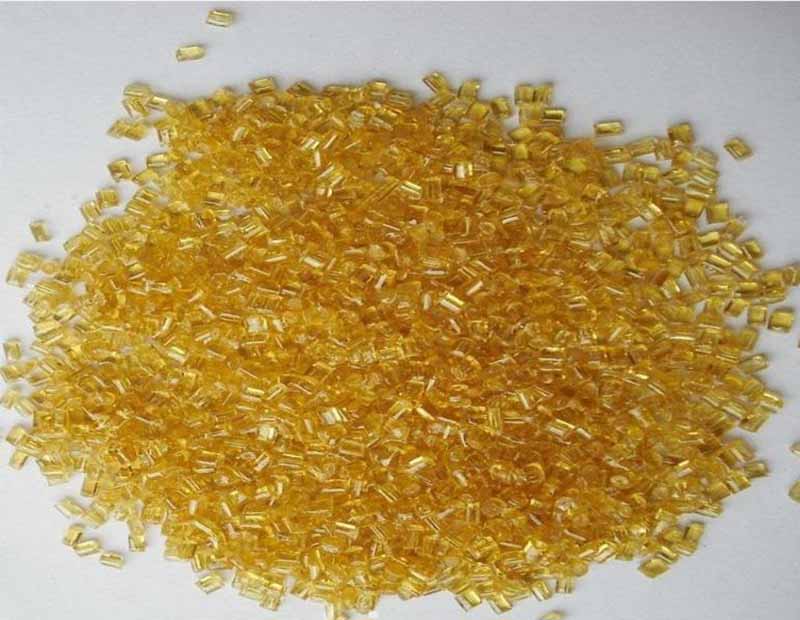
What Is PES Material?
PES stands for Polyethersulfone, a high-performance thermoplastic that belongs to the sulfone polymer family.
It is commonly searched as:
PES material
PES plastic
PES resin
engineering plastic materials
PES is known for:
High heat resistance
Excellent dimensional stability
Strong mechanical strength
Hydrolysis resistance
Chemical resistance
Electrical insulation properties
Because of these characteristics, PES plastic is widely used in demanding industrial applications.
What Is PES Material Made Of?
PES material is made through the polymerization of aromatic compounds containing ether and sulfone groups.
The primary raw materials often include:
Bisphenol compounds
Dichlorodiphenyl sulfone
Aromatic ether compounds
These chemical compounds are processed to create Polyethersulfone material with excellent thermal and mechanical performance.
The molecular structure includes:
Ether Groups
Ether groups improve flexibility and processing performance.
Sulfone Groups
Sulfone groups provide:
Heat resistance
Strength
Chemical stability
This unique structure makes PES resin suitable for harsh environments.
Key Properties of PES Plastic
High Temperature Resistance
PES can typically withstand continuous operating temperatures of approximately:
180°C
This makes it suitable for demanding applications.
Excellent Hydrolysis Resistance
PES performs well in:
Steam sterilization
Hot water environments
Medical cleaning processes
Strong Mechanical Performance
PES plastic offers:
High tensile strength
Good rigidity
Long service life
Chemical Resistance
PES resists exposure to:
Acids
Oils
Cleaning chemicals
Industrial fluids
Electrical Insulation
Many manufacturers use engineering plastic materials like PES for electrical applications.
Applications of Polyethersulfone Material
Medical Industry
Used in:
Surgical equipment
Medical device parts
Sterilization trays
Water Filtration Systems
PES is commonly used in filtration membranes because of its stability.
Automotive Industry
Used for:
Under-the-hood components
Electrical connectors
Electronics Industry
Applications include:
Connectors
Insulation parts
Precision components
Food Processing Equipment
Its heat resistance makes it suitable for certain food-grade applications.
PES vs PSU vs PPSU
PES belongs to the same family as PSU and PPSU.
| Property | PSU | PES | PPSU |
|---|---|---|---|
| Heat Resistance | Good | Better | Best |
| Chemical Resistance | Good | Better | Excellent |
| Impact Strength | Good | Good | Excellent |
| Cost | Lower | Medium | Higher |
In many applications:
PSU < PES < PPSU
depending on performance requirements.
Why Choose PES Material?
Manufacturers choose Polyethersulfone material because it offers:
High heat resistance
Excellent durability
Chemical stability
Sterilization resistance
Long-term performance
Why Choose Our PES Solutions?
We provide high-quality:
PES material
Polyethersulfone material
PES plastic
PES resin
Custom engineering plastic materials
Our advantages include:
Stable raw material supply
OEM customization
Strict quality control
Fast delivery
Global export experience
FAQ
What is PES material made of?
PES is made from aromatic compounds containing ether and sulfone groups.
Is PES plastic heat resistant?
Yes, it can handle temperatures up to approximately 180°C.
What industries use PES material?
Medical, automotive, filtration, electronics, and food industries.
Understanding what PES material is made of helps manufacturers choose the right high-performance plastic for demanding applications. With excellent heat resistance, chemical resistance, and durability, PES material remains a reliable choice for modern engineering solutions.
