




When manufacturers need a High-performance thermoplastic that offers excellent heat resistance, hydrolysis resistance, and long-term dimensional stability, Polysulfone Plastic (PSU Plastic) is a reliable choice.
PSU polymer is widely used in medical devices, water treatment systems, food processing equipment, automotive components, and electrical applications because of its ability to perform in demanding environments.
If you're searching for Polysulfone PSU, PSU plastic material, PSU resin, or PSU injection molding, this guide explains everything you need to know.
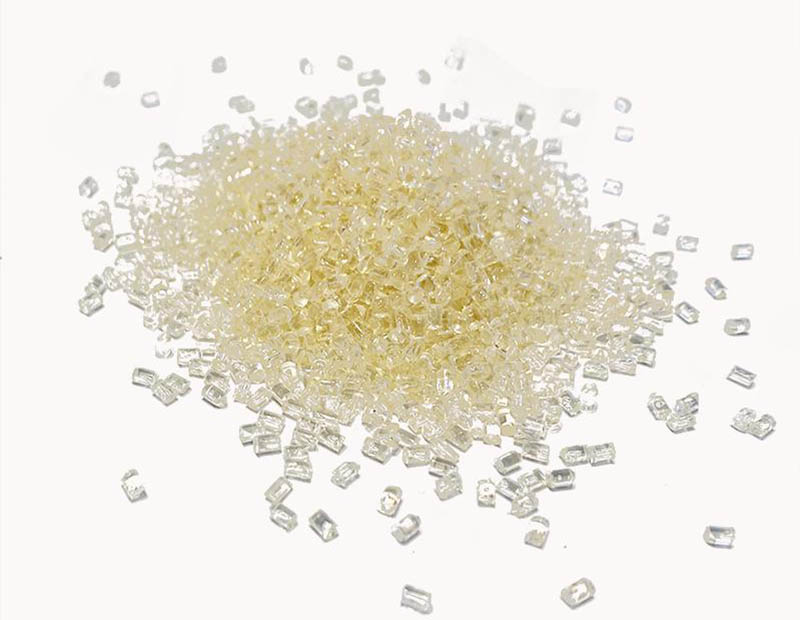
What Is Polysulfone Plastic?
Polysulfone plastic is a high-performance amorphous thermoplastic known for its excellent thermal stability, mechanical strength, and resistance to hydrolysis.
It maintains performance under repeated exposure to heat, steam, and chemicals, making it ideal for industrial applications where standard plastics may fail.
Common related terms include:
PSU Plastic
PSU Polymer
PSU Resin
Polysulfone PSU
Polysulfone is often chosen when manufacturers need a balance between performance and cost compared to materials like PEEK or PEI.
Key Properties of PSU Plastic Material
High Temperature Resistance
Polysulfone has a continuous service temperature of approximately:
150°C – 180°C
Glass transition temperature:
Around 185°C
This makes it suitable for high-temperature applications.
Excellent Hydrolysis Resistance
PSU performs well in repeated steam sterilization environments.
This is why it is widely used in:
Medical equipment
Food processing systems
Water filtration components
Strong Mechanical Performance
Typical mechanical properties include:
Tensile strength: 70–85 MPa
Good impact resistance
Excellent dimensional stability
Chemical Resistance
PSU resists:
Water
Steam
Detergents
Acids
Alkalis
Transparency
Natural PSU material offers a transparent amber appearance, making it useful for certain medical and fluid-handling applications.
PSU Injection Molding Process
PSU injection molding is commonly used for producing complex plastic components.
The process typically includes:
Material Drying
PSU resin must be dried before processing.
High Temperature Injection
Processing temperatures usually range from:
320°C – 390°C
Mold Cooling
Proper cooling helps maintain dimensional stability.
Final Inspection
Finished products undergo quality checks.
Many manufacturers also search for Polysulphone injection moulding, which refers to the same production process.
Common Applications of Polysulfone PSU
Medical Industry
Sterilization trays
Surgical equipment components
Medical housings
Water Treatment Industry
Filter housings
Membrane components
Pump parts
Food Processing Industry
Beverage equipment
Food contact parts
Electrical Industry
Connectors
Switch components
Insulation parts
Automotive Industry
Under-hood components
Fluid handling systems
PSU Resin Manufacturing Process
As professional Polysulfone Manufacturers, we provide high-quality PSU resin and custom-machined plastic components.
Our capabilities include:
PSU injection molding
CNC machining
Extrusion
Custom fabrication
Polysulfone (PSU) Manufacturing Plant Cost
Many investors search for Polysulfone (PSU) manufacturing plant cost.
The total investment depends on:
Production capacity
Raw material sourcing
Injection molding equipment
Labor costs
Facility size
Quality testing systems
Small production setups may require lower investment, while large-scale PSU manufacturing facilities involve significantly higher capital costs.
Why Choose PSU Plastic?
Compared with standard plastics, PSU offers:
Better heat resistance
Longer service life
Better hydrolysis resistance
Higher dimensional stability
Excellent sterilization resistance
Why Choose Us?
As experienced Polysulfone Manufacturers, we offer:
High-quality PSU resin
Custom injection molded parts
CNC machining services
Strict quality control
Fast global delivery
We support customers worldwide with reliable engineering plastic solutions.
FAQ
What is PSU plastic used for?
Medical, filtration, food processing, electronics, and automotive industries.
Is PSU better than PEI?
It depends on application requirements. PEI offers higher temperature resistance, while PSU performs better in hydrolysis environments.
Can PSU be injection molded?
Yes, PSU injection molding is widely used in industrial manufacturing.
Is PSU transparent?
Yes, natural PSU typically has an amber transparent appearance.
