




What Is PES Material?
PES Material is Polyethersulfone, a High-performance thermoplastic engineering plastic known for its excellent heat resistance, strong mechanical properties, and outstanding chemical stability. It stays dimensionally stable even under continuous high temperatures (typically 180–200°C), which is why it's widely used in automotive, aerospace, medical, and electronics applications where standard plastics would fail.
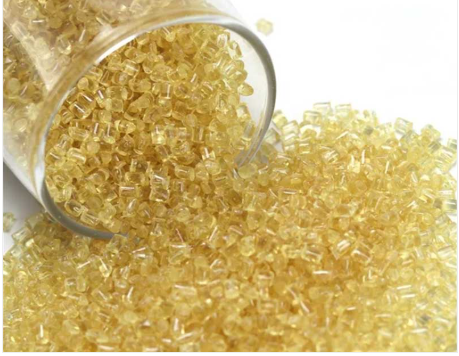
Understanding PES Material
PES is an amorphous polymer, meaning it doesn't have a crystalline structure. This gives it a naturally transparent or light-yellow appearance and consistent mechanical behavior across a wide temperature range. Unlike many engineering plastics that soften or warp under heat and stress, PES maintains its shape, strength, and electrical properties even in demanding, high-temperature environments.
It's important not to confuse PES (Polyethersulfone) with other materials that share similar names or abbreviations, such as polyester fabric. PES in the engineering plastics context refers specifically to a sulfone-based thermoplastic resin, not a textile fiber.
Key Properties of PES Material
High thermal resistance. PES can be used continuously at 180–200°C without deforming or losing its mechanical properties, making it suitable for parts exposed to sustained heat.
Chemical resistance. It withstands exposure to acids, alkalis, oils, and many industrial solvents, which is why it holds up well in chemically aggressive environments.
Mechanical strength. PES offers high tensile strength, rigidity, and impact resistance, so it performs reliably in parts under mechanical stress.
Electrical insulation. Its dielectric properties make it a common choice for electronic components that need to isolate current safely.
Dimensional stability. PES keeps its shape under heat, pressure, and mechanical load, which matters for precision parts that can't afford to warp over time.
How PES Material Is Processed
PES can be processed using standard thermoplastic methods, including injection molding, extrusion, and thermoforming. This flexibility means it can be shaped into everything from thin films and membranes to complex molded components, depending on what an application requires.
Where PES Material Is Used
Automotive: connectors, sensor housings, and under-the-hood electrical components exposed to heat
Aerospace: lightweight structural and thermal insulation parts
Medical devices: sterilizable instruments, filtration systems, and diagnostic tool components
Electronics: circuit board parts, cable insulation, and high-temperature connectors
Industrial equipment: seals, gaskets, bearings, and high-strength housings
Why It Matters
The combination of heat resistance, chemical stability, and mechanical strength is what sets PES apart from more common plastics. In practice, this means fewer part failures in hot or chemically harsh conditions, and a longer service life before replacement is needed — which is often the deciding factor for engineers choosing a material for demanding applications.
If you're sourcing PES material for a specific application — whether standard resin or a custom formulation — our team can help match the right grade to your requirements.
