




What Is The Difference Between PPSU And Polycarbonate?
PPSU (Polyphenylsulfone) and Polycarbonate (PC) are both transparent, impact-resistant thermoplastics used in reusable bottles, medical devices, and food-contact products, but they differ in ways that matter for real-world use—most notably in heat resistance, chemical safety, and cost. Polycarbonate has largely been phased out of baby bottles and food containers due to BPA concerns, while PPSU has become the standard replacement in many of those same applications.
1. Chemical Composition And BPA Content
This is the most consequential difference between the two materials. Polycarbonate is produced using bisphenol A (BPA), a chemical that has raised health concerns, particularly around products that repeatedly contact food, liquids, or heat—like baby bottles and food containers. PPSU, by contrast, is BPA-free by nature of its different chemical structure, which is the main reason it replaced polycarbonate across so many consumer and medical products over the past two decades.
2. Thermal Resistance
PPSU maintains its structural integrity at continuous service temperatures up to around 180°C, with a glass transition temperature near 220°C. Polycarbonate's heat resistance is noticeably lower, generally handling continuous use only up to around 115-130°C. This gap matters directly for sterilization: PPSU can withstand hundreds of steam autoclave cycles without degrading, while polycarbonate is far more prone to yellowing, clouding, or weakening under repeated high-heat sterilization.
3. Impact Resistance And Durability
Both materials are known for toughness, which is part of why they're both used in drop-prone products like bottles and containers. Polycarbonate is often considered slightly tougher in raw impact strength at room temperature. PPSU, however, holds onto its impact resistance more consistently across repeated sterilization cycles and temperature swings, which is why it tends to outperform polycarbonate over the long-term lifespan of a reusable product.
4. Transparency And Appearance
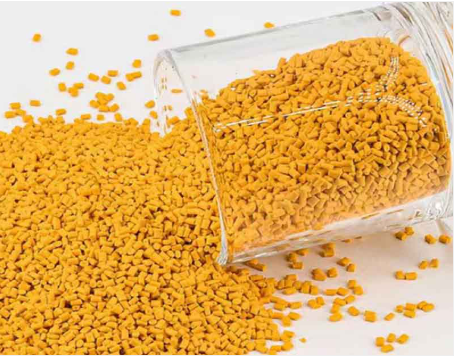
Polycarbonate is fully transparent and stays that way under normal use, which is why it's still common in applications like eyewear lenses and safety glazing. PPSU is typically transparent to light amber in color, and while it starts out clear, it's more prone to a slight yellow tint developing over time or after repeated sterilization—a common, purely cosmetic trait in PPSU baby bottles and medical instruments that doesn't affect performance.
5. Cost
Polycarbonate is significantly more affordable than PPSU, both as a raw material and in processing. PPSU's higher cost reflects its higher performance ceiling—better heat resistance, no BPA, and better long-term durability under sterilization—so the price difference is generally a trade-off for the properties that make it suitable for medical and food-contact use.
6. Typical Applications For Each Material
PPSU is commonly used for:
Baby bottles and infant feeding products
Medical and surgical instruments requiring repeated sterilization
Reusable food and beverage containers
Aerospace and electrical components needing high heat resistance
Polycarbonate is commonly used for:
Eyewear lenses and safety glasses
Automotive headlight lenses and glazing
Non-food-contact enclosures and housings
Signage and display applications where cost matters more than heat resistance
7. Which Material Should You Choose?
If your product involves repeated sterilization, sustained heat exposure, or direct, prolonged contact with food or liquids—like baby bottles, medical devices, or reusable containers—PPSU is generally the safer and more durable choice, and its BPA-free composition is often a requirement rather than a preference. If your application doesn't involve high heat or sterilization and cost efficiency is the priority—such as protective housings, lenses, or signage—polycarbonate remains a practical, well-proven option.
Choosing between PPSU and polycarbonate ultimately comes down to how much heat, sterilization, and food-contact safety your application demands. If you're weighing the two for a specific product, sharing your sterilization requirements, operating temperature, and food-contact needs can help determine which material fits best.
Send Your Inquiry Today
