


PEEK, PEI, and PPSU are high-performance engineering plastics known for their excellent temperature resistance, mechanical strength, chemical resistance, and dimensional stability. However, each material has different properties and is better suited to certain applications.
In this PEEK vs PEI vs PPSU comparison, we will look at the key differences between PEEK, PEI plastic, and PPSU plastic, including temperature resistance, mechanical performance, chemical resistance, hydrolysis resistance, electrical properties, and typical applications.
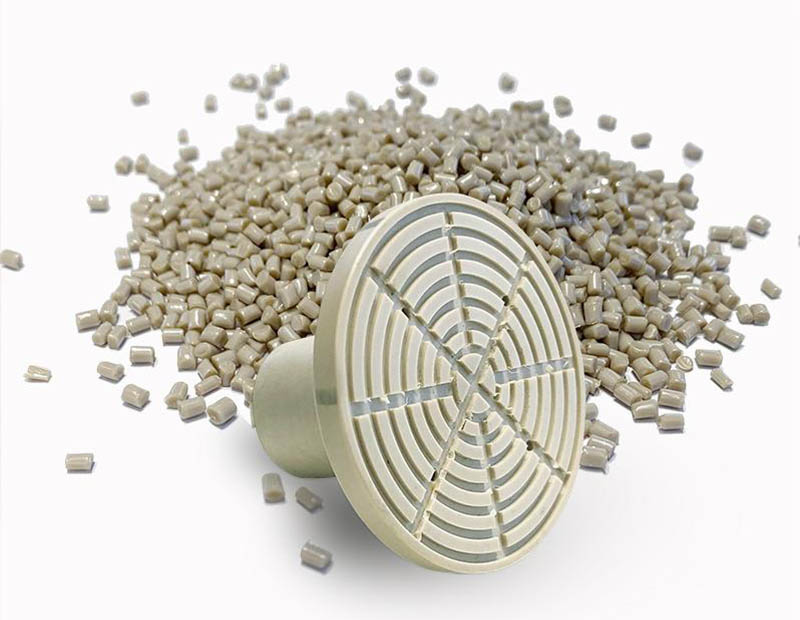
What Are PEEK, PEI, and PPSU?
PEEK Material
PEEK, or Polyether Ether Ketone, is a High-performance thermoplastic known for its combination of mechanical strength, high-temperature resistance, wear resistance, and chemical resistance.
PEEK material is widely used in demanding industrial applications where components must maintain their performance under high temperatures, mechanical loads, and aggressive chemical environments.
Common PEEK applications include automotive components, semiconductor equipment, aerospace parts, medical components, electrical insulation, and precision machined parts.
PEI Plastic
PEI, or Polyetherimide, is an amorphous high-performance engineering plastic with excellent heat resistance, dimensional stability, mechanical strength, and electrical insulation properties.
PEI plastic is often selected for applications that require a combination of high-temperature performance, dimensional accuracy, flame resistance, and electrical reliability.
Typical PEI applications include electrical components, connectors, medical equipment, aerospace components, automotive parts, and precision engineering components.
PPSU Plastic
PPSU, or Polyphenylsulfone, is a high-performance thermoplastic recognized for its excellent heat resistance, impact strength, chemical resistance, and hydrolysis resistance.
PPSU plastic is particularly useful in applications involving repeated exposure to hot water, steam, cleaning agents, or sterilization processes.
Common PPSU applications include medical devices, healthcare equipment, plumbing components, hot-water systems, and food-processing equipment.
PEEK vs PEI vs PPSU: Key Differences
The main differences between PEEK, PEI, and PPSU are related to their thermal performance, mechanical properties, chemical resistance, hydrolysis resistance, and application requirements.
| Property | PEEK | PEI | PPSU |
|---|---|---|---|
| Material type | Semi-crystalline thermoplastic | Amorphous thermoplastic | Amorphous thermoplastic |
| Temperature resistance | Excellent | Excellent | Excellent |
| Mechanical strength | Excellent | High | High |
| Chemical resistance | Excellent | Good to excellent | Excellent |
| Wear resistance | Excellent | Good | Good |
| Dimensional stability | Excellent | Excellent | Very good |
| Hydrolysis resistance | Excellent | Good | Excellent |
| Impact resistance | Good | Good | Excellent |
| Electrical insulation | Excellent | Excellent | Excellent |
| Typical applications | Industrial, aerospace, medical, semiconductor | Electrical, medical, aerospace, automotive | Medical, healthcare, hot-water applications |
Actual performance can vary depending on the grade, reinforcement, processing method, and operating environment.
PEEK vs PEI: What Is the Difference?
PEEK and PEI are both high-performance engineering plastics, but they have different material structures and performance characteristics.
PEEK Performance
PEEK generally offers a strong combination of mechanical strength, wear resistance, chemical resistance, and high-temperature performance. It is often selected for demanding environments where long-term mechanical performance is important.
PEI Performance
PEI plastic provides excellent dimensional stability, electrical insulation, and high-temperature performance. Its amorphous structure can also make it suitable for applications requiring precision and consistent dimensions.
Choosing Between PEEK and PEI
When comparing PEEK vs PEI, the right choice depends on whether the application places greater emphasis on chemical resistance, wear resistance, mechanical loading, dimensional stability, electrical performance, or processing requirements.
PEEK vs PPSU: What Is the Difference?
PEEK and PPSU are both suitable for demanding applications, but they are often selected for different operating conditions.
PEEK Performance
PEEK is well suited to applications requiring high mechanical performance, wear resistance, and resistance to aggressive chemicals.
PPSU Performance
PPSU plastic offers excellent impact resistance and hydrolysis resistance. It is particularly useful in environments involving hot water, steam, repeated cleaning, and sterilization.
Choosing Between PEEK and PPSU
When comparing PEEK vs PPSU, consider the actual combination of mechanical load, temperature, chemical exposure, impact requirements, and sterilization conditions.
PEI vs PPSU: What Is the Difference?
PEI and PPSU are both amorphous high-performance engineering plastics, but their strengths are different.
PEI Performance
PEI plastic is commonly considered when high dimensional stability, electrical insulation, flame resistance, and temperature performance are important.
PPSU Performance
PPSU plastic is particularly suitable for applications requiring high impact resistance, hydrolysis resistance, and repeated exposure to hot water or steam.
Choosing Between PEI and PPSU
For medical, electrical, and industrial applications, the final material choice should be based on the complete operating environment rather than a single material property.
How to Choose Between PEEK, PEI, and PPSU?
There is no single material that is best for every application. The choice between PEEK, PEI, and PPSU should be based on the specific requirements of the finished component.
Consider Operating Temperature
All three materials can be used in high-temperature applications, but their actual performance depends on the specific grade, load, exposure time, and processing conditions.
Always check the technical data of the selected grade rather than choosing a material based only on its general temperature classification.
Consider Chemical Resistance
If a component will contact oils, fuels, solvents, cleaning agents, or other chemicals, chemical compatibility should be evaluated carefully.
PEEK is often selected for demanding chemical environments, while PEI and PPSU can also provide useful chemical resistance depending on the specific chemical and operating conditions.
Consider Mechanical Requirements
For components exposed to continuous mechanical loads, friction, wear, or demanding operating conditions, PEEK can be a strong candidate.
For applications requiring good mechanical performance together with dimensional stability or impact resistance, PEI and PPSU may also be appropriate.
Consider Hydrolysis and Sterilization
For applications involving hot water, steam, or repeated sterilization, hydrolysis resistance becomes particularly important.
PPSU is well suited to many applications involving repeated exposure to hot water and steam. PEEK can also provide excellent performance in demanding environments.
Consider Electrical Properties
PEEK, PEI, and PPSU can all be used for electrical and electronic components. PEI is particularly attractive for applications requiring dimensional stability and reliable electrical insulation at elevated temperatures.
The specific electrical requirements should be evaluated according to the component design and operating environment.
PEEK, PEI, and PPSU Applications
These high-performance engineering plastics are used across a wide range of industries.
PEEK Applications
PEEK material can be used for:
Precision machined components
Automotive components
Aerospace parts
Semiconductor equipment
Medical components
Electrical and electronic components
Wear-resistant components
Chemical processing equipment
PEI Applications
PEI plastic can be used for:
Electrical connectors
Insulating components
Medical equipment
Aerospace components
Automotive components
Precision engineering parts
High-temperature electrical components
PPSU Applications
PPSU plastic can be used for:
Medical devices
Healthcare equipment
Sterilizable components
Hot-water components
Plumbing applications
Food-processing equipment
High-temperature fluid-handling components
Why Choose PEEK, PEI, and PPSU Materials?
PEEK, PEI, and PPSU provide different combinations of performance for demanding engineering applications. Selecting the appropriate material can help improve component reliability, service life, dimensional stability, and performance under challenging operating conditions.
As a manufacturer of PEEK, PEI, and PPSU materials, we can provide material options for different industrial requirements. By considering the operating temperature, mechanical load, chemical environment, electrical requirements, and processing method, customers can select a suitable high-performance engineering plastic for their application.
FAQ
Is PEEK better than PEI?
PEEK is not universally better than PEI. PEEK is often selected for demanding mechanical, wear, chemical, and high-temperature applications, while PEI can be advantageous when dimensional stability, electrical insulation, and high-temperature performance are important.
Is PEEK stronger than PPSU?
PEEK generally provides excellent mechanical performance, while PPSU offers excellent impact resistance and hydrolysis resistance. The appropriate material depends on the specific application and operating conditions.
What is the difference between PEI and PPSU?
PEI and PPSU are both amorphous high-performance plastics. PEI is commonly used for applications requiring dimensional stability and electrical performance, while PPSU is particularly useful for applications requiring impact and hydrolysis resistance.
What are PEEK, PEI, and PPSU used for?
PEEK, PEI, and PPSU are used in demanding applications across industries such as automotive, aerospace, medical, electrical, semiconductor, and industrial equipment manufacturing.
How do I choose between PEEK, PEI, and PPSU?
Compare the required temperature resistance, mechanical strength, chemical resistance, hydrolysis resistance, dimensional stability, electrical properties, sterilization requirements, and processing conditions. The specific material grade should then be selected based on the complete application requirements.