


Choosing the right high temperature plastic depends on more than the maximum temperature a material can withstand. The application may also require mechanical strength, chemical resistance, dimensional stability, electrical insulation, wear resistance, or hydrolysis resistance.
High temperature engineering plastics such as PEEK, PEI, and PPSU are designed for demanding environments, but each material offers a different combination of properties. Understanding these differences can help manufacturers select the right high temperature plastic for a specific application.
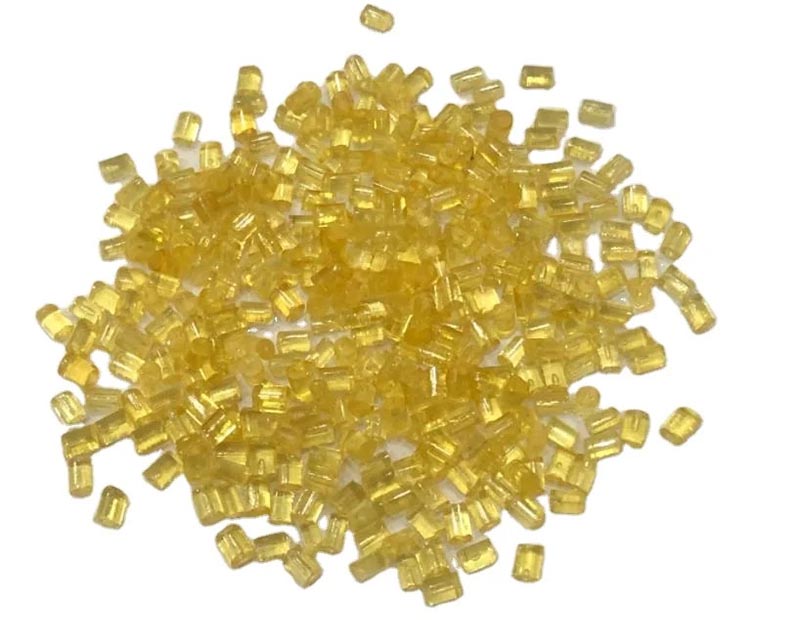
What Is High Temperature Plastic?
High temperature plastic refers to engineering thermoplastics that can maintain useful mechanical, dimensional, and functional properties when exposed to elevated temperatures.
Unlike standard plastics used for general-purpose applications, high temperature plastics are designed for more demanding operating environments. Depending on the material grade, they may provide excellent heat resistance together with chemical resistance, mechanical strength, electrical insulation, or dimensional stability.
Common high temperature plastic materials include PEEK, PEI, and PPSU.
What Factors Should You Consider When Choosing High Temperature Plastic?
Selecting a high temperature plastic should start with the actual requirements of the application rather than simply looking for the material with the highest temperature rating.
Operating Temperature
The first factor to consider is the actual operating temperature.
Consider both the continuous operating temperature and any short-term temperature peaks. A component that is exposed to elevated temperatures for long periods may require different material properties from a component that experiences occasional high-temperature exposure.
PEEK, PEI, and PPSU can all be considered for high temperature applications, but the appropriate material grade should be selected according to the actual temperature, load, and operating conditions.
Mechanical Strength
Temperature can affect the mechanical properties of plastics. If a component must support a mechanical load at elevated temperatures, tensile strength, stiffness, creep resistance, and dimensional stability should be evaluated.
PEEK is often selected for demanding mechanical applications, while PEI and PPSU can also provide strong mechanical performance for suitable applications.
Chemical Resistance
Chemical exposure is another important consideration when selecting high temperature plastic.
Components may come into contact with oils, fuels, solvents, cleaning agents, acids, or other chemicals. The chemical compatibility of the material should therefore be evaluated together with the operating temperature.
PEEK is known for its excellent chemical resistance, while PEI and PPSU also offer useful chemical resistance depending on the specific environment and material grade.
Dimensional Stability
Dimensional stability becomes especially important for precision components.
If a plastic component must maintain tight dimensions at elevated temperatures, the material's thermal expansion, moisture absorption, mechanical loading, and processing conditions should all be considered.
PEI plastic is often considered for applications requiring excellent dimensional stability and precision.
Electrical Insulation
For electrical and electronic applications, high temperature plastic may need to provide reliable electrical insulation in addition to heat resistance.
PEEK, PEI, and PPSU can be used for various electrical and electronic components. PEI plastic can be particularly suitable for applications requiring a combination of high-temperature performance, dimensional stability, and electrical insulation.
Hydrolysis Resistance
If the component is exposed to hot water, steam, or repeated sterilization, hydrolysis resistance should be considered.
PPSU plastic is widely used in applications where resistance to hot water, steam, and repeated sterilization is important. PEEK can also provide excellent resistance in demanding environments.
PEEK vs PEI vs PPSU for High Temperature Applications
PEEK, PEI, and PPSU are all high performance engineering plastics, but they are not interchangeable in every application.
PEEK Plastic
PEEK, or Polyether Ether Ketone, is a high performance thermoplastic known for its combination of high temperature resistance, mechanical strength, wear resistance, and chemical resistance.
PEEK material is commonly used for demanding industrial components, automotive parts, aerospace applications, semiconductor equipment, medical components, and precision machined parts.
PEEK can be considered when an application requires a combination of high temperature performance, mechanical strength, wear resistance, and chemical resistance.
PEI Plastic
PEI, or Polyetherimide, is an amorphous high performance engineering plastic known for its heat resistance, dimensional stability, mechanical strength, and electrical insulation properties.
PEI plastic is commonly used for electrical connectors, insulating components, medical equipment, aerospace components, automotive parts, and precision engineering applications.
PEI can be a suitable choice when dimensional stability, electrical performance, and high temperature resistance are important.
PPSU Plastic
PPSU, or Polyphenylsulfone, is a high performance thermoplastic with excellent heat resistance, impact strength, chemical resistance, and hydrolysis resistance.
PPSU plastic is particularly suitable for applications involving hot water, steam, cleaning, and repeated sterilization.
Typical applications include medical devices, healthcare equipment, hot-water components, plumbing components, and fluid-handling systems.
How to Choose Between PEEK, PEI, and PPSU?
The right high temperature plastic depends on the complete operating environment.
Choose PEEK for Demanding Mechanical and Chemical Applications
PEEK can be considered when the component requires high mechanical performance, wear resistance, chemical resistance, and reliable performance at elevated temperatures.
Typical applications include industrial machinery, aerospace components, semiconductor equipment, automotive parts, and precision engineering components.
Choose PEI for Dimensional Stability and Electrical Applications
PEI plastic can be considered when high temperature resistance needs to be combined with dimensional stability and electrical insulation.
It is commonly used for connectors, insulating components, precision parts, and other electrical or engineering applications.
Choose PPSU for Hot Water, Steam, and Sterilization
PPSU plastic can be a suitable option for applications involving hot water, steam, impact, and repeated sterilization.
It is commonly used in medical, healthcare, plumbing, and fluid-handling applications.
High Temperature Plastic Comparison
| Property | PEEK | PEI | PPSU |
|---|---|---|---|
| High temperature resistance | Excellent | Excellent | Excellent |
| Mechanical strength | Excellent | High | High |
| Chemical resistance | Excellent | Good to excellent | Excellent |
| Wear resistance | Excellent | Good | Good |
| Dimensional stability | Excellent | Excellent | Very good |
| Hydrolysis resistance | Excellent | Good | Excellent |
| Impact resistance | Good | Good | Excellent |
| Electrical insulation | Excellent | Excellent | Excellent |
| Typical applications | Industrial, aerospace, medical, semiconductor | Electrical, medical, aerospace, automotive | Medical, healthcare, hot-water applications |
Actual performance depends on the specific material grade, component design, processing method, load, temperature, and operating environment.
Why Choose High Temperature Engineering Plastics?
High temperature engineering plastics can replace traditional materials in applications where lightweight construction, chemical resistance, electrical insulation, dimensional stability, or corrosion resistance is required.
PEEK, PEI, and PPSU provide different combinations of performance, allowing manufacturers to select a material based on the actual requirements of the component.
For material selection, it is important to evaluate the complete application rather than choosing a plastic based only on its maximum temperature rating.
How Can a High Temperature Plastic Manufacturer Help?
Working with an experienced high temperature plastic manufacturer can make material selection more efficient.
A manufacturer can help evaluate factors such as operating temperature, mechanical load, chemical exposure, electrical requirements, dimensional requirements, and processing conditions.
As a manufacturer of PEEK, PEI, and PPSU materials, we provide high performance engineering plastic options for different industrial applications. Customers can select the appropriate material according to their specific performance and processing requirements.
FAQ
What is the best high temperature plastic?
There is no single best high temperature plastic for every application. PEEK, PEI, and PPSU each have different combinations of temperature resistance, mechanical strength, chemical resistance, dimensional stability, and other properties.
Is PEEK a high temperature plastic?
Yes. PEEK is a high performance engineering thermoplastic widely used in applications requiring high temperature resistance, mechanical strength, chemical resistance, and wear resistance.
Is PEI suitable for high temperature applications?
Yes. PEI plastic provides high temperature performance together with excellent dimensional stability, mechanical properties, and electrical insulation, making it suitable for various demanding applications.
Is PPSU a high temperature plastic?
Yes. PPSU is a high performance thermoplastic with excellent heat resistance, impact strength, chemical resistance, and hydrolysis resistance. It is particularly useful for hot water, steam, and sterilization applications.
How do I choose the right high temperature plastic?
Consider the operating temperature, mechanical load, chemical environment, dimensional requirements, electrical properties, hydrolysis resistance, wear requirements, and processing method. Then compare suitable materials such as PEEK, PEI, and PPSU based on the complete application requirements.