


Polyethersulfone (PES) is a high-performance engineering plastic known for its excellent heat resistance, mechanical strength, dimensional stability, and hydrolysis resistance. It is widely used in applications that require reliable performance under demanding thermal and mechanical conditions. From industrial components to medical devices and filtration systems, PES materials offer a combination of properties that makes them suitable for many specialized applications.
However, like other engineering plastics, PES has certain limitations. Material cost, chemical compatibility, and processing requirements should all be considered before selecting it for a specific application.
Understanding the advantages and disadvantages of PES materials can help manufacturers, engineers, and buyers determine whether polyethersulfone is the right material for their products.
What Is PES Material?
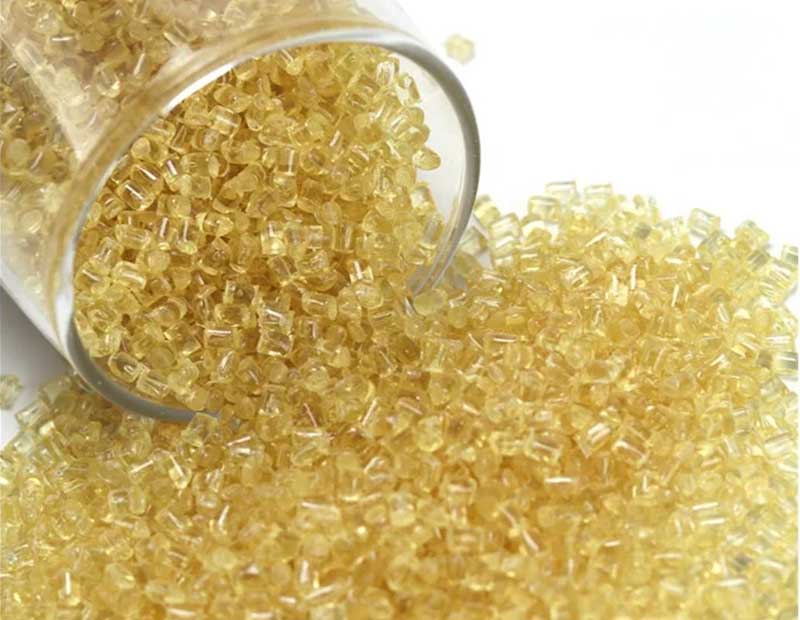
PES stands for polyethersulfone, an amorphous High-performance thermoplastic belonging to the sulfone polymer family. It is commonly recognized by its transparent amber appearance and ability to maintain useful mechanical properties at elevated temperatures.
Compared with many commodity plastics, PES offers improved thermal performance, dimensional stability, and resistance to hot water and steam under appropriate conditions. These properties make PES plastic a valuable option for applications where ordinary plastics may not provide sufficient durability.
Common PES material applications include:
Medical and healthcare equipment components
Water filtration membranes and related systems
Electrical and electronic components
Industrial equipment parts
Hot-water and steam-related components
Specialized engineering applications requiring thermal stability
The exact performance of PES depends on the grade, manufacturing process, component design, and operating environment.
What Are the Advantages of PES Materials?
1. Excellent Heat Resistance
One of the main advantages of PES materials is their ability to retain useful mechanical properties at elevated temperatures.
PES typically has a glass transition temperature of approximately 225°C, although this value should not be confused with a continuous service temperature. Actual operating limits depend on the specific grade, applied load, exposure duration, and environmental conditions.
This thermal performance makes polyethersulfone suitable for selected applications involving hot water, steam, and elevated operating temperatures.
2. Good Mechanical Strength and Rigidity
PES plastic provides good stiffness and mechanical strength, making it suitable for precision components and structural parts that must maintain their shape during use.
Its mechanical properties can support the production of housings, connectors, equipment components, and other engineered products. However, designers should evaluate impact resistance, stress concentration, and long-term loading when selecting PES for a particular part.
3. Good Dimensional Stability
Dimensional stability is another important PES material property. As an amorphous thermoplastic, PES can maintain relatively consistent dimensions when properly processed and used within its design limits.
This characteristic is valuable in precision engineering applications where component tolerances and assembly accuracy matter.
PES also generally exhibits low molding shrinkage compared with some other thermoplastics, although actual shrinkage depends on the grade and processing conditions.
4. Good Hydrolysis Resistance
PES offers good resistance to hydrolysis under many hot-water and steam exposure conditions. This characteristic can make it suitable for certain reusable equipment components and applications involving elevated-temperature water.
Nevertheless, resistance to hydrolysis does not mean that PES is immune to degradation. Temperature, exposure time, mechanical stress, and water chemistry can all affect long-term performance.
Before selecting PES for repeated sterilization or continuous hot-water service, verify the relevant grade specifications and application requirements.
5. Electrical Insulation Properties
PES materials provide useful electrical insulation properties, which support their use in selected electrical and electronic components.
Their thermal performance can also be beneficial in environments where electrical parts experience elevated temperatures. The suitability of PES for a particular electrical application depends on factors such as voltage, temperature, moisture exposure, and applicable safety standards.
6. Transparency and Appearance
Many unfilled PES grades have a transparent amber appearance. This can be useful when product designers need a combination of visibility and high-temperature performance.
However, the natural color and optical characteristics of PES differ from those of clear commodity plastics. Color, transparency, and optical performance should be confirmed with the material supplier when appearance is a critical requirement.
What Are the Disadvantages of PES Materials?
Despite its advantages, PES is not the best choice for every application. Understanding its limitations helps buyers balance performance requirements and overall cost.
1. Higher Material Cost
PES is generally more expensive than common plastics such as polypropylene (PP), polyethylene (PE), and many standard grades of ABS.
For high-volume products with moderate temperature and mechanical requirements, a lower-cost material may provide sufficient performance. PES is most attractive when its heat resistance, dimensional stability, or other specialized properties justify the additional material cost.
When comparing materials, consider the total cost of the finished component, including processing, maintenance, service life, and replacement frequency.
2. Limited Resistance to Certain Chemicals
Although PES offers useful chemical resistance in many environments, it is not universally resistant to all chemicals.
Certain organic solvents and aggressive chemical environments may cause swelling, environmental stress cracking, or deterioration, depending on the specific chemical, concentration, temperature, and exposure time.
For applications involving cleaning agents, industrial fluids, or chemical processing, compatibility testing is recommended before final material selection.
3. Processing Requires Careful Control
PES is a high-performance thermoplastic that generally requires more specialized processing conditions than commodity plastics.
Injection molding manufacturers must control material drying, melt temperature, mold temperature, and other processing parameters to achieve consistent product quality. Moisture contamination or unsuitable processing conditions can lead to defects and reduced performance.
For this reason, processors should follow the grade manufacturer's processing guidelines and use appropriate equipment and quality-control procedures.
4. Potential for Stress-Related Cracking
Like other engineering thermoplastics, PES can experience cracking under certain combinations of residual stress, external loading, and chemical exposure.
Poor part design, sharp corners, uneven wall thickness, and inappropriate molding conditions may increase the risk of stress-related failures.
Design optimization, appropriate processing, and compatibility testing can help reduce these risks.
5. Cost and Design Trade-Offs
Although PES provides a useful balance of thermal and mechanical properties, it may not deliver the best overall value when a component does not require high-performance characteristics.
For example, applications with relatively low operating temperatures and modest mechanical demands may be adequately served by less expensive engineering plastics.
Engineers should compare PES with alternative materials based on actual operating conditions rather than choosing a high-performance polymer solely because it offers superior specifications in selected areas.
PES Material Properties at a Glance
The following table summarizes common characteristics of polyethersulfone. Actual values vary by grade and test method.
| Property | General Characteristics |
|---|---|
| Polymer type | Amorphous high-performance thermoplastic |
| Glass transition temperature | Approximately 225°C |
| Heat resistance | High compared with many commodity plastics |
| Mechanical performance | Good stiffness and strength |
| Dimensional stability | Generally good under suitable conditions |
| Hydrolysis resistance | Good in many hot-water and steam environments |
| Chemical resistance | Depends on the chemical and exposure conditions |
| Typical appearance | Transparent amber for many unfilled grades |
| Relative material cost | Generally higher than commodity plastics |
This overview is intended for preliminary material selection. Always consult the technical data sheet for the exact PES grade before making engineering decisions.
PES vs. PEEK: Which Material Is Better?
PES and PEEK are both high-performance engineering plastics, but they have different performance profiles and cost considerations.
| Feature | PES | PEEK |
|---|---|---|
| Polymer family | Sulfone-based thermoplastic | Polyaryletherketone thermoplastic |
| Thermal performance | High | Generally higher for continuous high-temperature applications |
| Mechanical performance | Good stiffness and strength | High strength and wear performance in suitable grades |
| Hydrolysis resistance | Good under appropriate conditions | Good under many demanding conditions |
| Chemical resistance | Limited against certain solvents | Generally excellent, but compatibility remains chemical-specific |
| Material cost | High | Usually higher |
| Common applications | Electrical components, medical-related components, filtration | Aerospace, demanding industrial components, high-performance machinery |
Neither material is universally better. PES can be a practical choice when its thermal and mechanical properties meet the application requirements at a more manageable cost. PEEK may be preferable for applications requiring higher continuous-use temperatures, stronger wear performance, or a different combination of mechanical and chemical properties.
The final decision should be based on grade-specific data, operating conditions, regulatory requirements, and total component cost.
How to Choose the Right PES Material
Selecting the right Polyethersulfone Material requires more than comparing a few property values. Buyers should consider the following factors.
Operating Temperature: Confirm both the expected continuous temperature and any short-term temperature peaks.
Mechanical Requirements: Evaluate tensile strength, stiffness, impact resistance, creep, and the loads the finished component will experience.
Chemical Compatibility: Identify all fluids, cleaning agents, solvents, and other chemicals that may contact the material.
Processing Method: Confirm that the PES grade is suitable for the intended manufacturing process, such as injection molding or extrusion.
Regulatory Requirements: For medical, food-contact, drinking-water, or electrical applications, verify the specific grade's relevant approvals and compliance documentation.
Supplier Reliability: Work with a qualified PES material manufacturer or supplier that can provide technical data sheets, grade recommendations, processing guidance, and consistent material quality.
A careful evaluation of these factors can help reduce material selection risks and improve the performance of the finished product.
Frequently Asked Questions About PES Materials
Is PES a good engineering plastic?
Yes. PES is a high-performance engineering plastic that offers good heat resistance, mechanical strength, dimensional stability, and hydrolysis resistance. It is suitable for applications that require a combination of these properties, provided its chemical compatibility and processing requirements are addressed.
Is PES resistant to high temperatures?
PES has a glass transition temperature of approximately 225°C and can retain useful properties at elevated temperatures. However, its continuous operating temperature is grade- and application-dependent and is generally lower than its glass transition temperature.
Is PES better than PEEK?
Not in every application. PEEK generally offers higher continuous-use temperature capability and strong mechanical and wear performance, but it is usually more expensive. PES may provide a better balance of cost and performance when its properties meet the required operating conditions.
Is PES resistant to chemicals?
PES has good resistance to many chemicals, but certain solvents and aggressive environments can cause degradation or stress cracking. Chemical compatibility should be verified for the specific grade and operating conditions.
What are the common applications of PES plastic?
PES plastic is used in selected medical and healthcare components, filtration systems, electrical and electronic parts, industrial equipment, and hot-water or steam-related applications.
What should buyers consider when purchasing PES raw materials?
Buyers should review the grade, thermal and mechanical properties, chemical compatibility, processing requirements, regulatory documentation, and supplier quality consistency. Technical data sheets and application-specific testing can help confirm suitability.
The advantages and disadvantages of PES materials should be evaluated together when choosing a high-performance engineering plastic. PES offers good heat resistance, mechanical strength, dimensional stability, and hydrolysis resistance, making it valuable for demanding industrial and specialized applications.
Its higher cost, chemical compatibility limitations, and processing requirements may make alternative materials more suitable for some products. By comparing grade-specific properties with actual operating conditions, manufacturers can make better-informed material decisions.
If you are sourcing polyethersulfone raw materials for industrial production, contact a qualified PES material supplier to discuss grade selection, technical specifications, and application requirements.